.webp)
How to Store a Boat or RV Between Adventures
How to Store a Boat or RV Between Adventures
Purchasing an RV or a boat is more than just a financial transaction; it is an investment in your lifestyle and the memories you create with your family. However, when the camping season ends or the lake begins to freeze, one of the most common dilemmas owners face is where to keep their prized possession. Leaving a large vehicle in your driveway can feel cluttered and may even violate local homeowner association rules. By choosing professional storage, you can finally reclaim your space at home while ensuring your vehicle remains secure.
Deciding between covered and uncovered storage is a pivotal step in long-term vehicle care. While both options offer the benefits of a dedicated facility, they provide different levels of defense against the elements. Whether you are a weekend warrior or a long-distance traveler, understanding these nuances will help you make an informed choice that balances your budget with your desire for premier storage solutions.
Our goal is to help you restore peace of mind by finding the perfect home for your recreational vehicle. In this guide by A Storage Place, we will break down the advantages of each storage type, provide essential RV storage tips, and discuss how to maintain your vehicle so it is always ready for your next adventure.
Understanding Your RV Storage Options
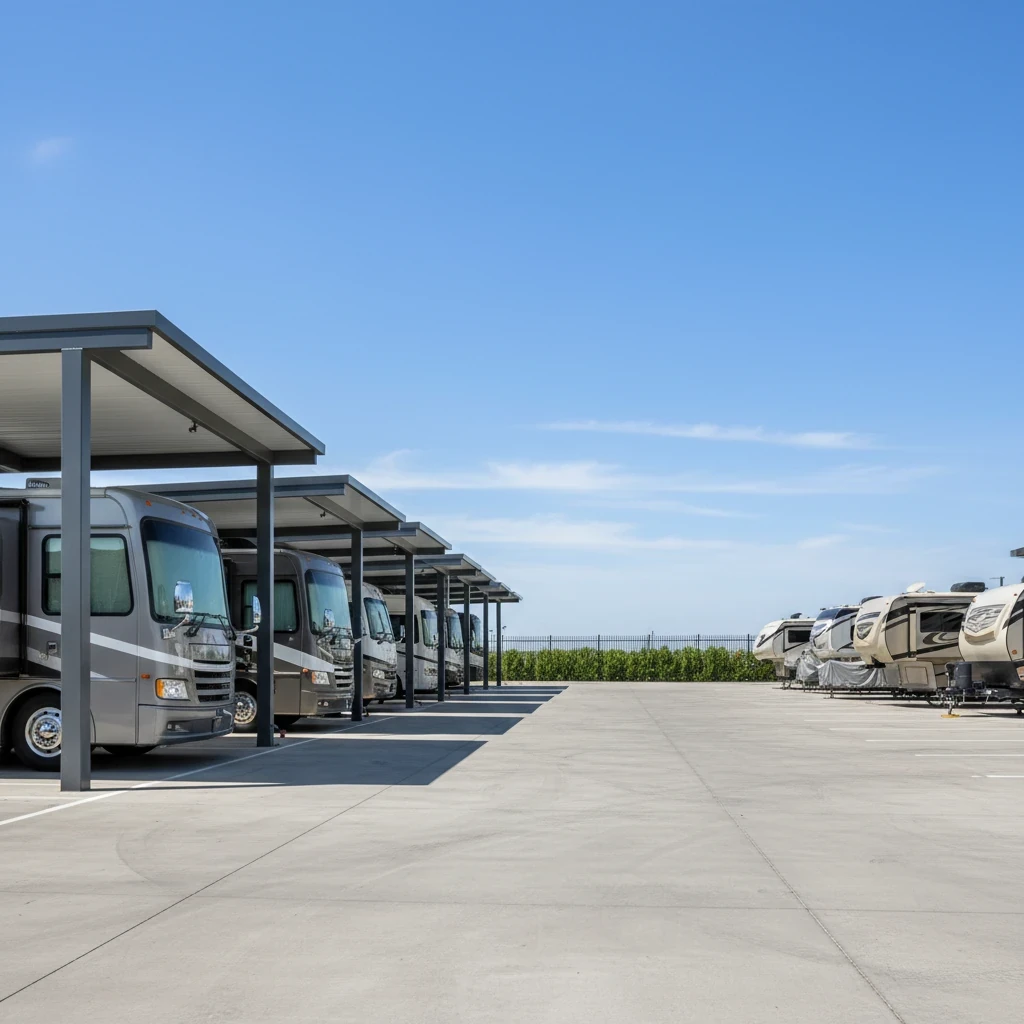
When you begin your search for the right facility, you will typically find two primary categories: outdoor uncovered and covered storage. Uncovered storage is an open-air lot where your vehicle is parked in a designated, secure space. Covered storage, on the other hand, provides a high-clearance roof structure that acts as a shield against vertical elements like sun and rain while still allowing for natural ventilation.
Choosing professional storage is an investment in your vehicle's longevity. When you utilize a specialized facility, you aren't just paying for a parking spot; you are opting for a managed environment designed for large vehicles. Many premier facilities offer month-to-month leases, providing the flexibility you need for seasonal travel without being tied down to a long-term commitment. This convenience allows you to declutter your property during the offseason and easily retrieve your RV when the open road calls.
The Advantages of Choosing Covered Storage
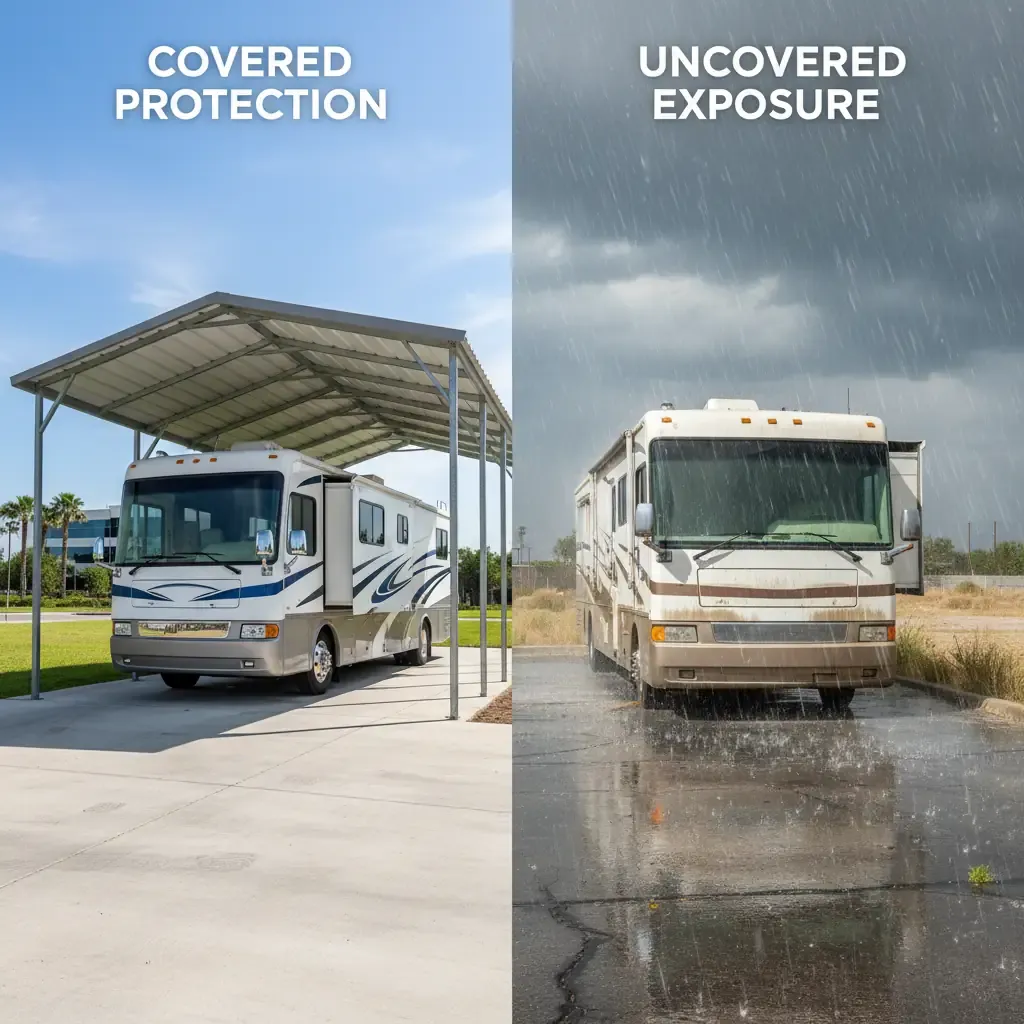
Covered storage is often considered the gold standard for owners who want to minimize the wear and tear caused by the environment. The most significant benefit is the overhead protection from UV rays. Constant sun exposure can cause exterior paint to fade, decals to crack, and rubber seals to dry out. By keeping your RV under a canopy, you significantly extend the life of its exterior finish.
- Weather Shielding: A sturdy roof protects your inventory from the impact of heavy hail, which can shatter roof vents or dent aluminum siding.
- Moisture Control: Keeping the roof dry reduces the risk of water pooling and eventual leaks, which are major concerns for RV storage.
- Simplified Maintenance: Covered bays make vehicle storage maintenance much easier by preventing bird droppings, sap, and debris from accumulating on the roof.
- Winter Protection: In colder climates, a cover prevents heavy snow loads from sitting on your vehicle, protecting the structural integrity of the roof.
Ultimately, covered storage provides that extra layer of protection that gives you peace of mind, knowing that your vehicle is shielded from the most aggressive environmental threats.
When Uncovered Storage Makes Professional Sense
While covered storage offers superior protection, uncovered storage remains a popular and practical choice for many owners. It is an exceptionally budget-friendly option, making it ideal for short-term needs between trips or for owners who are more price-sensitive. If you have a high-quality, custom-fit weather cover for your trailer or boat, an open-air lot can provide an excellent balance of security and affordability.
Security is never sacrificed for price at a quality facility. Regardless of whether you choose a covered or uncovered space, you should expect features like electronic gate access, well-lit premises, and 24/7 video surveillance. If you are using an open-air lot for watercraft, following our boat storage guide is essential. This includes winterizing boats for storage by draining fluids, using fuel stabilizers, and ensuring your protective wrap is tight and secure to prevent wind damage.
Key Factors to Consider Before You Rent
Before signing a lease, evaluate your specific needs to determine which storage type is the best fit for your situation. Consider the following factors:
- Duration of Storage: If you plan to store your vehicle for several months during the winter, covered storage is usually worth the extra cost. For a few weeks between summer trips, uncovered storage may suffice.
- Value of the Vehicle: For newer models or luxury motorhomes, the cost of covered storage is a small fraction of the vehicle's total value and helps maintain its resale price.
- Facility Amenities: Look for a facility that offers drive-up access and touch-free rental options. These modern conveniences make the drop-off and pick-up process seamless and stress-free.
- Flexibility: Confirm that the facility offers month-to-month leases so you can adjust your storage plan as your travel schedule changes.
Taking the time to assess these details ensures that your vehicle storage experience is tailored to your lifestyle and budget.
Protect Your Investment With Premier Storage
In the debate of covered vs. uncovered RV storage, the right choice depends on your vehicle's value, your local climate, and your budget. Covered storage offers the ultimate protection against UV damage and harsh weather, while uncovered storage provides a secure, affordable alternative for those with heavy-duty covers. Both options allow you to reclaim your driveway and protect your recreational investment from the risks of street parking or home storage.
Don't wait until the first storm of the season hits to find a home for your RV or boat. We encourage you to visit your local A Storage Place facility to see the differences firsthand and speak with a storage expert. Secure your spot today, restore your peace of mind, and keep your vehicle in peak condition for your next great adventure.