.webp)
The Ultimate Packing Supply Checklist: Beyond the Cardboard Box
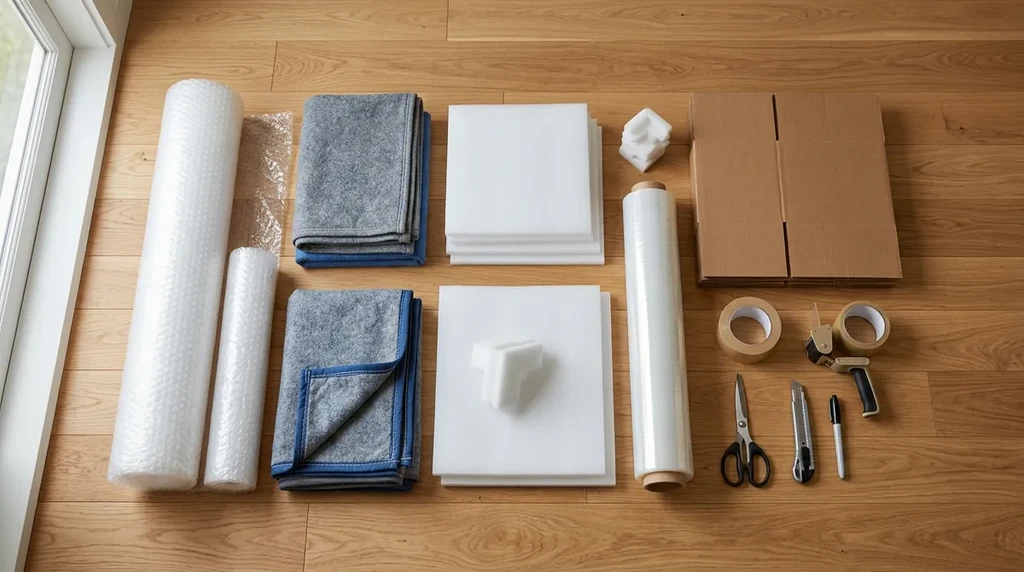
The Ultimate Packing Supplies Checklist for Storage
Most people don't realize how underprepared they are until moving day arrives. Boxes start giving out, glassware shifts dangerously inside overstuffed containers, and that beautiful sofa picks up scuffs before it even reaches the unit. The truth is, the supplies you choose determine how well your belongings survive, whether you're storing items for a week or a year.
This guide walks you through everything you need: core essentials, specialty supplies, smart storage unit organization strategies, and the unit features worth looking for. Whether you're decluttering, relocating, or creating long-term storage, this checklist sets you up for success. For even more guidance, A Storage Place's packing and storage tips are a great companion to what you'll find here.
Why the Right Packing Supplies Make All the Difference
Thin, single-wall boxes collapse under weight. Items packed without padding shift and crack in transit. Furniture left uncovered in a unit collects dust and develops scuffs that are difficult to reverse.
The good news is that prevention is straightforward. A well-thought-out packing supplies checklist acts as your first line of defense, turning a potentially stressful process into a manageable one. Think of it as protecting your belongings before problems have a chance to start. Most people underestimate how much they'll need, so building your list in advance, before you're surrounded by open boxes and running out of tape, is the single most effective thing you can do.
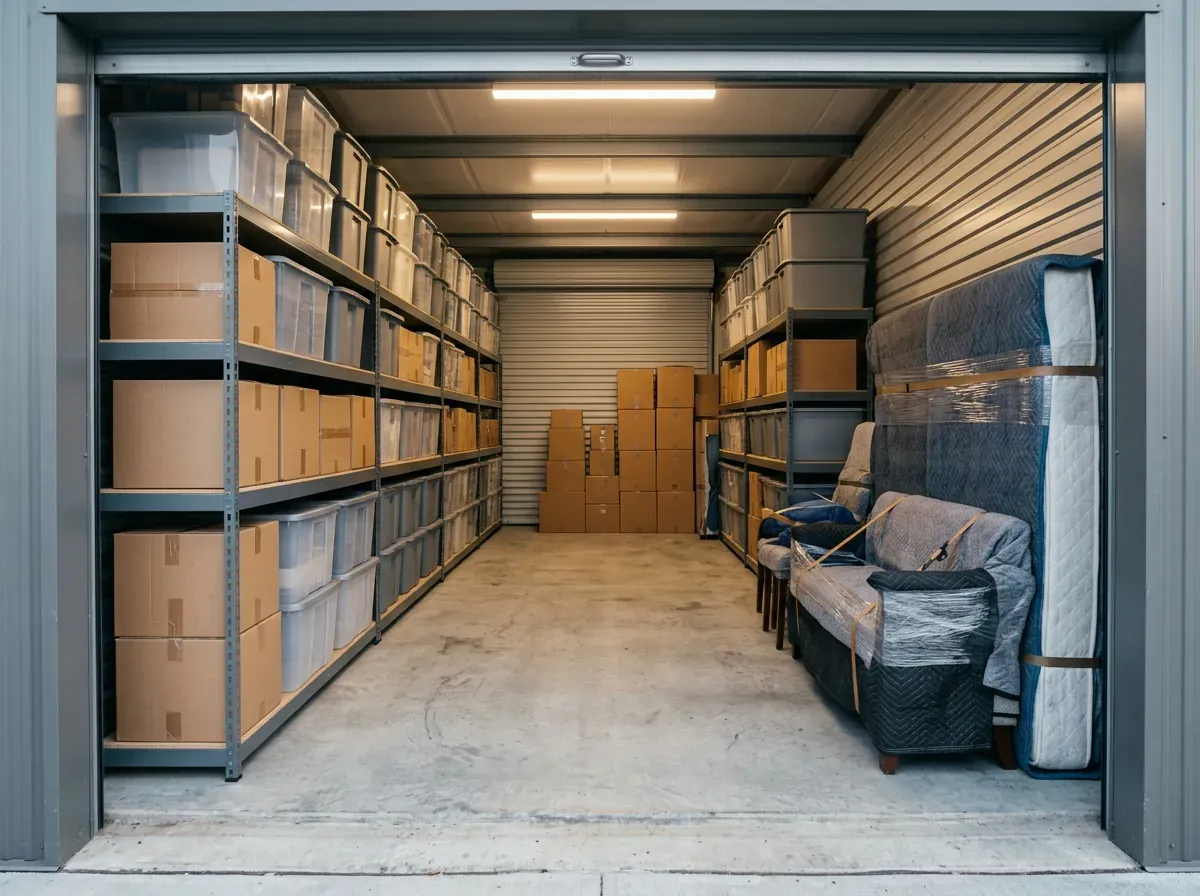
Your Core Packing Supplies Checklist: The Essentials
Start with the fundamentals. These are the supplies every storage move requires, regardless of what you're storing:
- Double-walled cardboard boxes in varied sizes: Use small boxes for heavy items like books and tools; reserve large boxes for lightweight, bulky belongings like pillows and bedding. Double-wall construction prevents collapse under stacking pressure.
- Packing tape and a quality tape dispenser: Budget for at least two rolls per 10 boxes. Every seam should be fully sealed with two passes of tape. A dispenser speeds up the process and reduces wrist fatigue.
- Bubble Wrap, packing paper, and foam sheets: Wrap individual pieces of glassware, mirrors, and electronics in Bubble Wrap, then fill empty box space with crumpled packing paper to eliminate shifting.
- Mattress bags and sofa covers: Protecting furniture in storage starts with proper covers. Mattress bags guard against dust and scuffs, while fitted sofa covers keep upholstery clean during transport and long-term storage.
- Stretch wrap (plastic wrap): Ideal for bundling furniture legs, securing drawers, and keeping loose items together. Unlike tape, stretch wrap leaves no adhesive residue on finished wood surfaces.
Beyond the Basics: Specialty Supplies Worth Adding
Once your core supplies are covered, these specialty items make a real difference, especially for long-term storage or items that need extra care:
- Wardrobe boxes with built-in hanging bars: These tall boxes let you transfer clothing directly from your closet without folding. Suits, dresses, and coats arrive wrinkle-free and ready to wear.
- Furniture pads and moving blankets: Wrap hard surfaces like wood tabletops, dressers, and shelving units to prevent dings and scratches. Secure them with stretch wrap to keep the padding in place.
- Plastic bins with locking lids: A durable alternative to cardboard, especially in drive-up units that experience more airflow variation. Locking lids keep contents secure and make stacking easier.
- Silica gel packets: Place these inside sealed boxes containing documents, photographs, and electronics. They help maintain a stable environment around sensitive items.
- Color-coded labels or a label maker: Assign a color to each room and label every box on two sides. This creates a clear inventory system so you can locate specific items without unpacking everything.

If you're storing in a unit that maintains a consistent temperature range, items like electronics and photos benefit most from that environment. Learn more about what those features actually mean in practice by reading about temperature-controlled storage and what it actually means.
How To Pack a Storage Unit Like a Pro
Great supplies only go so far. How you arrange your unit determines whether you can actually find what you need without dismantling everything. Follow these storage unit organization principles to make every square foot count:
- Build a solid base at the back: Position the heaviest, most durable items (appliances, tools, plastic bins) along the floor at the back of the unit. This creates structural stability for everything stacked above.
- Stack boxes correctly: Heaviest boxes go on the bottom, lightest on top. Never stack boxes directly on top of furniture.
- Leave a center aisle: Maintain a clear path from the front door to the back of the unit. Without it, retrieving a single item means moving everything in front of it first.
- Wrap before you load: Protecting furniture in storage means applying pads, blankets, and stretch wrap before anything enters the unit. Corners, legs, and glass surfaces are especially vulnerable.
- Review your self storage insurance options: Even the best packing supplies can't protect against every unforeseen event. Self storage insurance fills that gap and gives you true peace of mind before move-in day.
For a deeper look at layout strategies, our guide on maximizing your storage space covers advanced techniques worth bookmarking.
Start Packing Smart and Reclaim Your Space Today
Keep in mind that the right unit matters just as much as the right materials. Look for features like electronic gate access, month-to-month leases, and climate-controlled or air-conditioned storage to make sure your unit works as hard as your packing does. If you're new to the process, our first-time storage user guide walks you through everything you need to know before signing a lease agreement.
Your action step is simple: save or print this checklist, gather your supplies, and take that first step toward a more organized home. The space you've been wanting to reclaim is closer than you think. Browse available storage units near you to find the right fit and get started today with A Storage Place.