.webp)
Temperature-Controlled Storage: What Does It Actually Mean?
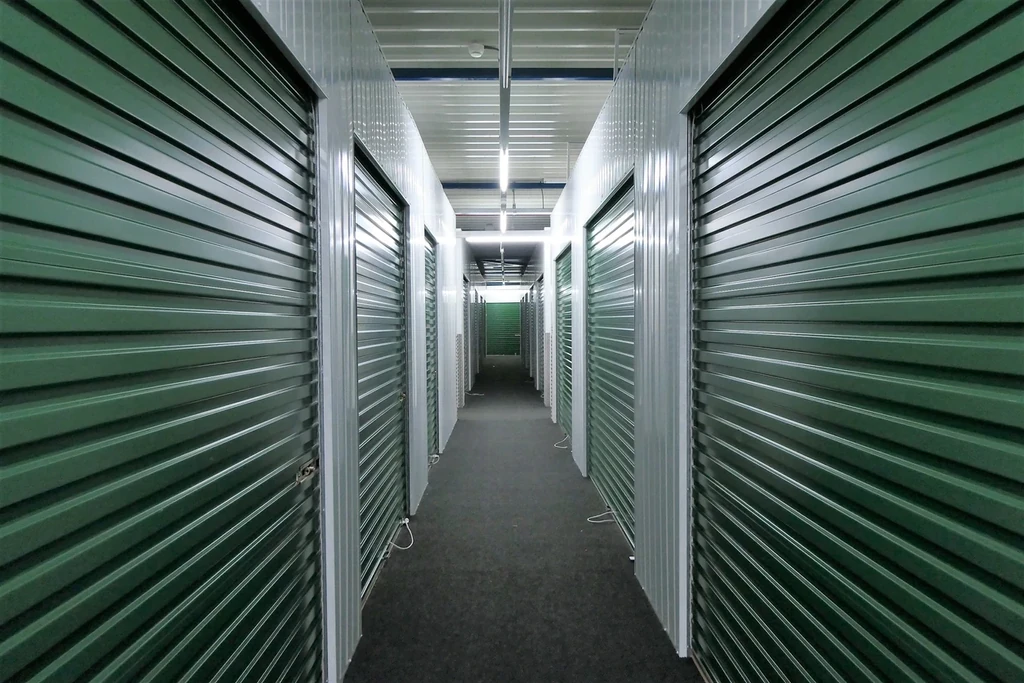
When you begin the process of moving or downsizing, the sheer number of storage options can feel overwhelming. Selecting the right environment is all about making sure the investment you have made in your belongings remains in a stable space for years to come.
A temperature-managed environment acts as a vital shield against the unpredictable shifts of the seasons. Whether you are dealing with the scorching heat of a summer afternoon or the freezing temperatures of mid-winter, these specialized units provide a consistent buffer. By choosing the right setup, you can focus on your transition with the peace of mind that your items are stored in a professional, stable setting.
In this guide, we will break down exactly what temperature-controlled storage units offer, which items require this level of care, and how to choose the best facility for your needs. Reclaiming your home from clutter shouldn't mean risking the integrity of your possessions, and we are here to help you navigate that balance effectively.
Understanding Temperature-Controlled Storage Basics
What is temperature-controlled storage exactly? At its core, it is a storage system designed to maintain a specific temperature range between 55 and 80 degrees Fahrenheit. Unlike a standard garage or attic, these units utilize heating and cooling systems to prevent the extreme fluctuations that can damage sensitive materials. It serves as a middle ground that keeps your unit from becoming an oven in July or an icebox in January.
When you choose this type of unit, you are essentially buying a safety net. These units are typically located within a finished building with insulated walls, offering several key advantages:
- Seasonal Buffer: They prevent the rapid expansion and contraction of materials caused by weather shifts.
- Consistent Environment: The facility ensures that internal temperatures do not drop below or rise above set thresholds.
- Secondary Protection: Because these units are usually inside a larger building, they offer an extra layer of defense against dust and pests.
Items That Benefit Most from a Stable Environment
Not every item requires a managed environment, but for certain belongings, it is a necessity. Natural materials are particularly vulnerable to temperature swings. Items made of wood, leather, or delicate fabrics can easily warp, crack, or develop mold if left in a standard outdoor unit. For example, an antique wooden dresser can lose its structural integrity if the wood fibers dry out too quickly or swell with heat.
Electronics and media also require careful consideration. High heat can cause internal components in computers, gaming consoles, and televisions to degrade or fail. Similarly, your collection of vinyl records, old photographs, and VHS tapes is highly susceptible to "blocking," a process where heat causes the materials to stick together, permanently destroying the media. If you are a first-time renter, our guide for new storage users provides a great starting point for inventorying your items.
Consider protecting the following sensitive belongings in a managed environment:

- Musical Instruments: Pianos, violins, and guitars can go out of tune or suffer permanent wood damage.
- Wine Collections: Heat can prematurely age wine and ruin the flavor profile.
- Important Documents: High heat can make paper brittle and cause ink to fade or bleed.
- Upholstered Furniture: Consistent temperatures help maintain the integrity of foams and fabrics.
Key Questions to Ask Before You Rent a Unit
Before you sign a lease, it is vital to do your due diligence. Not all facilities are created equal, and the level of management can vary significantly. Start by asking the facility manager about the specific temperature range they maintain throughout the year. If they cannot provide a range, they might not be monitoring the environment as closely as you need. You should also check our list of common storage questions to prepare for your visit.
Modern convenience is another factor to consider. Many premier facilities now offer a touch-free rental process, allowing you to secure your unit and manage your account entirely online. Ask if the facility provides electronic gate access and if there are backup power systems in place. A power outage during a heatwave can quickly compromise a unit if there isn't a plan to restore the HVAC system quickly. Finally, inquire about month-to-month leases, as having a flexible agreement allows you to adjust your storage needs without being locked into a long-term commitment if your situation changes.
Choosing the Perfect Unit to Reclaim Your Space
To truly reclaim your space and declutter your home, you need a storage solution that matches your specific preservation needs. Start by assessing the total value, both sentimental and financial, of your inventory. If you are storing items for more than a few months, the cumulative effect of temperature fluctuations becomes a much larger risk. Long-term storage almost always justifies the small additional cost of a temperature-controlled environment.
When you are ready to make a move, take a moment to look at a comprehensive storage size guide to ensure you aren't paying for more space than you need. Once you have determined the right size, you can select a unit that offers the protection your investment deserves.
Finding the Right Unit for Your Needs
Managing your belongings shouldn't be a source of stress. By understanding the mechanics of temperature-controlled self-storage, you can make an informed decision that protects your property from the elements. Whether you are storing a few boxes of family photos or a house full of furniture, the right environment makes all the difference in how those items look and function when you eventually move them back into your home. If you are ready to start your journey toward a more organized life, explore our available storage units today and find the perfect fit for your unique needs.