.webp)
Indoor vs. Outdoor Storage Units: Which One Do You Need?
Your garage is full, a move is coming together, and you're staring down a rental listing that asks if you want an indoor or outdoor unit. It's a practical question with a real financial answer behind it. When you know the difference between indoor and outdoor storage units, you can avoid paying for features your belongings don't require.
What "Outdoor" Means in Self Storage
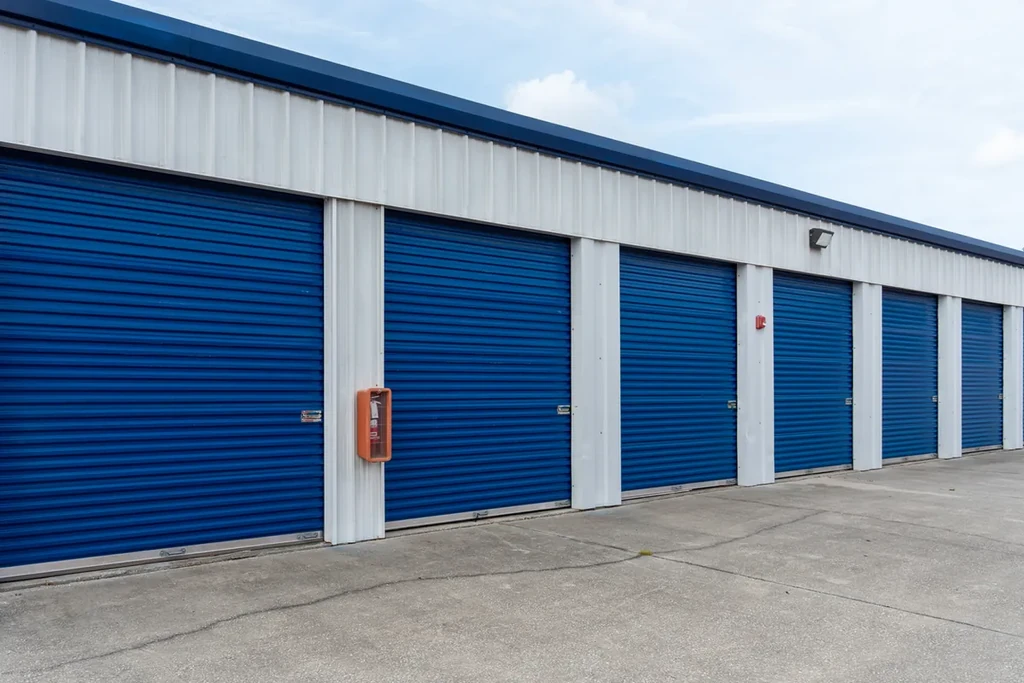
An outdoor storage unit, often called a drive-up unit, sits along the exterior of a single-story building. The door faces the outside, so you can pull your vehicle up to it, roll up the door, and load or unload straight from your truck bed or trailer.
These units have weather-resistant construction and sealed roll-up doors that keep out rain, wind, and debris. They're enclosed spaces without temperature regulation, which suits belongings that handle seasonal changes well. For most households, that's the bulk of what ends up in storage.
The Cost Advantage of Drive-Up Units
Outdoor drive-up units typically rent for less than comparable indoor units, since you're not paying for the upkeep of a temperature-regulated building and shared corridors. For items that hold up fine in outdoor conditions, that price difference adds up month after month, and your belongings fare the same.
Garage overflow, lawn and patio furniture, seasonal decorations, sporting equipment, and boxes of household goods all do well in an outdoor unit. Measure your largest pieces and estimate your box count with our storage unit size guide, and you'll know which unit gives you enough room at a lower cost.
When Drive-Up Access Makes a Difference
Drive-up access makes heavy loads easier to handle. When you can park a few feet from your unit door, you skip the long carry across parking lots and down hallways with a trailer load, large furniture, or a stack of heavy boxes. For bulky items like patio sets, bicycles, or tools, that direct access saves time on every visit.
Boats and RVs follow the same logic on a larger scale. A Storage Place keeps them in outdoor parking spaces, and when you store a boat or RV between adventures, uncovered parking is the most affordable option. Select locations also offer covered spaces that add shade from sun, rain, and hail.
When an Indoor Unit Makes More Sense
Indoor units are the better fit for belongings that need a more sheltered environment. Wood furniture, electronics, musical instruments, and documents can be affected by repeated temperature swings over several months. An indoor unit in a temperature-regulated building keeps those items in a more consistent environment year-round. Amenities vary by facility, and knowing what temperature-controlled storage means makes it easier to compare indoor options at your nearest location.
The trade-off is cost. Indoor units tend to rent for more, and if your items don't need that environment, you're paying for a feature they won't use. The most practical way to keep your rental budget in check is to match the unit type to what you're storing.
Which Unit Type Fits Your Belongings
For most people storing garage overflow, seasonal gear, and everyday household items, an outdoor drive-up unit covers the need at a lower price and with easier loading. Indoor units earn their cost when the items going in are sensitive to temperature swings. Sort your inventory into those two groups before you rent, and the decision becomes clear.
Search A Storage Place locations in Arizona, California, and Colorado to compare the unit types near you, reserve yours online, and use our packing and storage tips to start organized from day one.